
Steamed Vietnamese Honeycomb Cake: A Gluten-Free Treat
Last Updated on February 12, 2026 by Kacper Recipes Team
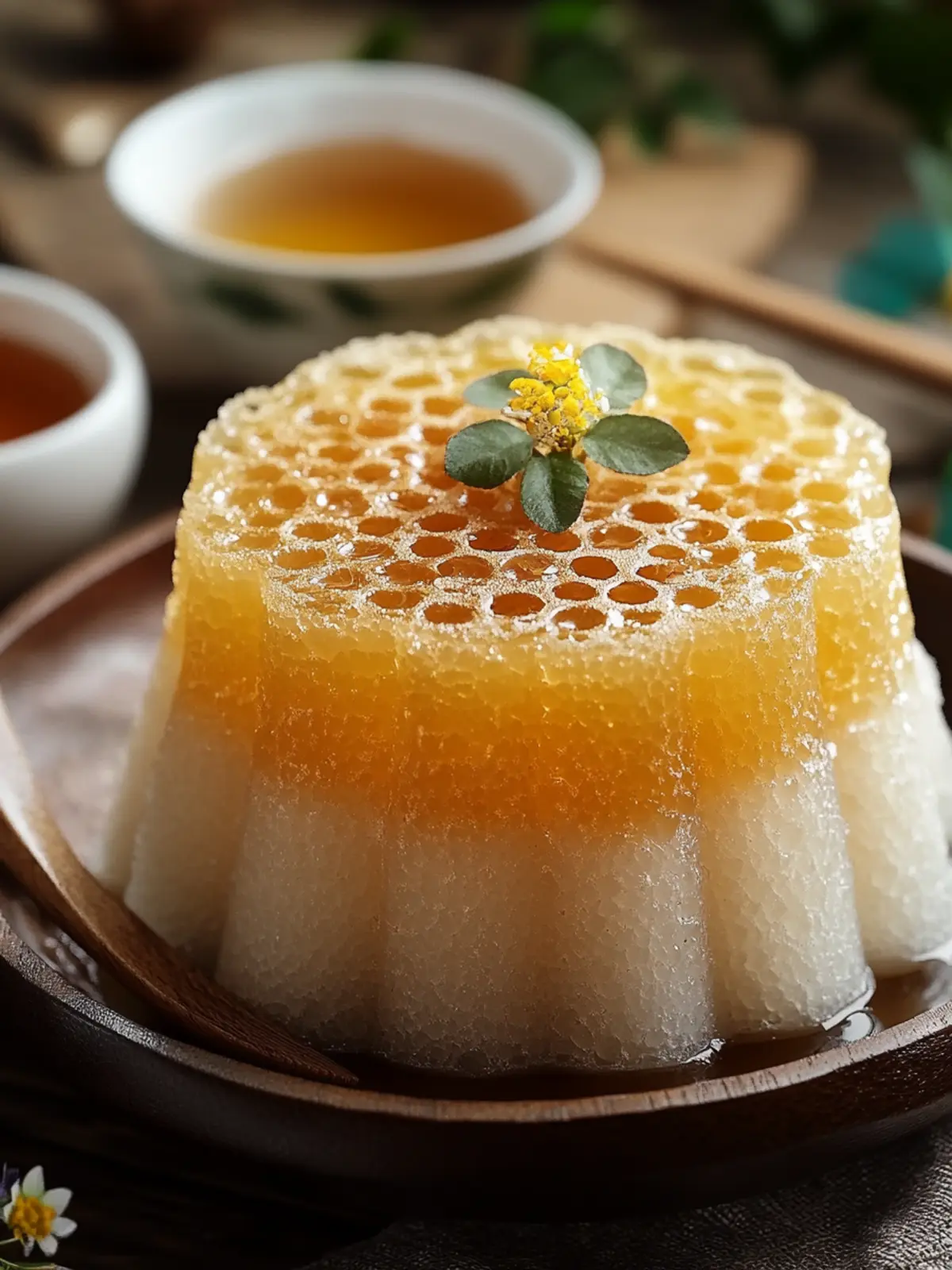
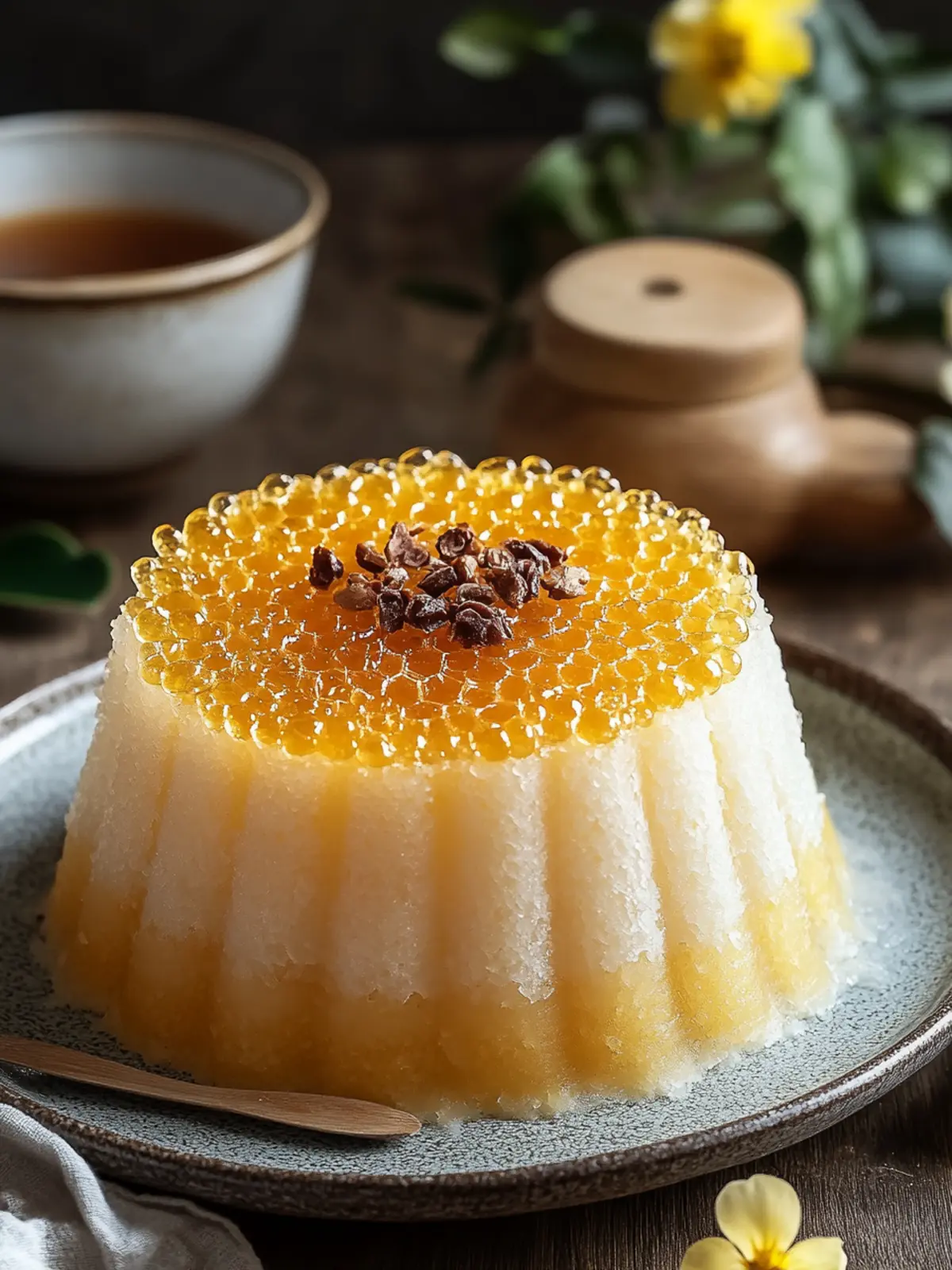
When I first bit into a slice of Steamed Vietnamese Honeycomb Cake, I was transported to a vibrant market in Vietnam, surrounded by the delightful aromas of coconut and pandan. Known as Bánh Bò NÆ°á»ng, this extraordinary dessert is not just a treat; it s a heartfelt expression of Vietnamese culture, cherished for its light, airy texture and chewy consistency. The vibrant green hue and visually captivating honeycomb structure make it a stunning centerpiece for tea parties or festive gatherings, leaving everyone curious about its origins.
What I love most about this gluten-free and dairy-free gem is how easily it comes together despite the seemingly intricate preparation, crafting this dessert is a rewarding experience that connects you to a rich culinary heritage. With just the right balance of sweetness and a hint of coconut, this cake invites you to explore new flavors while reconnecting with age-old traditions. So, let s journey into the heart of Vietnamese kitchens and create a dessert that will enchant your family and friends alike!
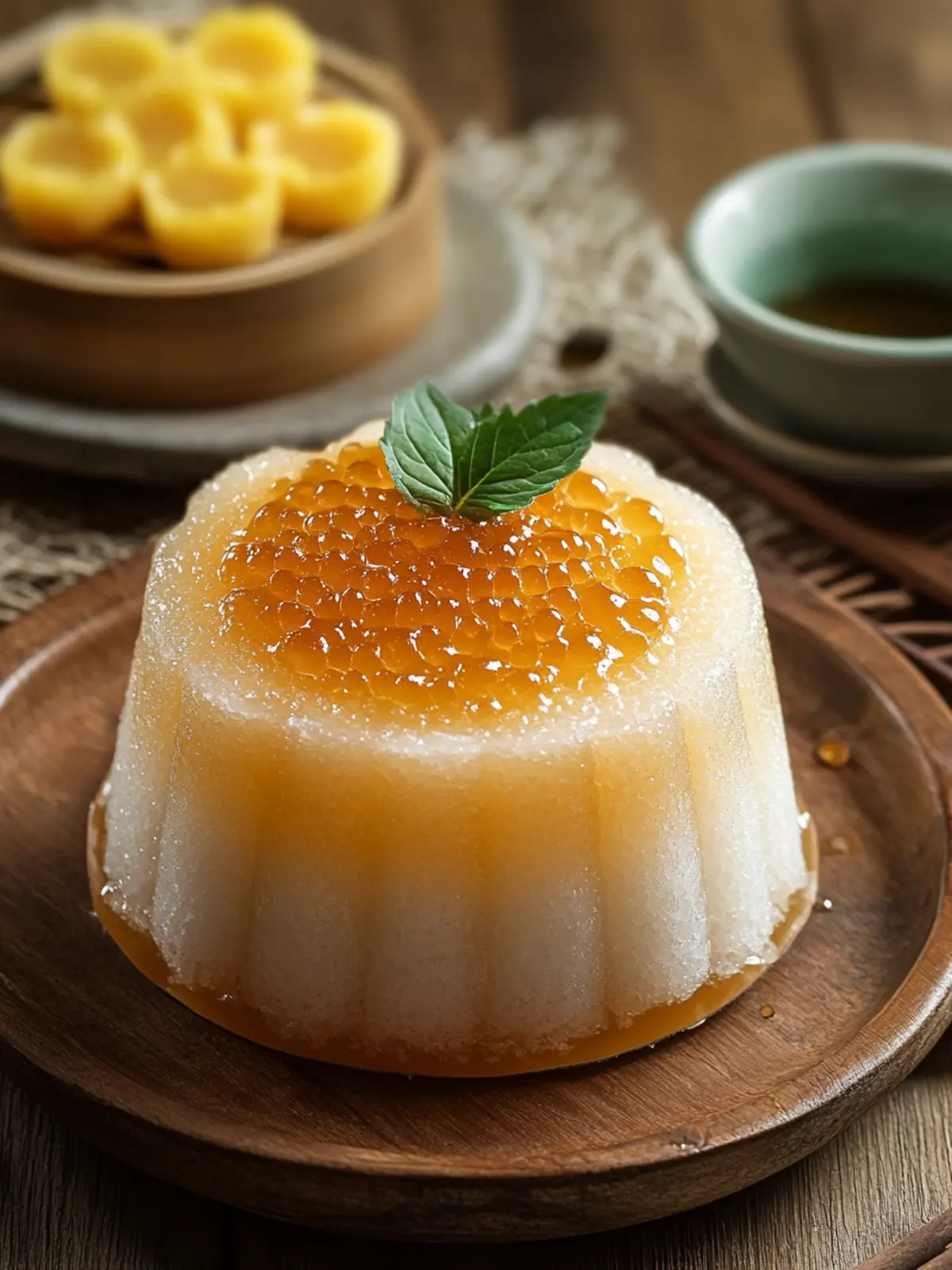
Why is Steamed Vietnamese Honeycomb Cake special?
Unique Texture: This cake features a lightly chewy, airy honeycomb structure that s unlike any Western dessert.
Cultural Significance: Bánh Bò NÆ°á»ng is more than a treat; it symbolizes joy and prosperity in Vietnamese culture, perfect for special occasions.
Simple Ingredients: Made with gluten-free tapioca starch and rice flour, it s easily adaptable for various diets.
Aromatic Flavors: The delightful aroma of coconut milk and pandan will transport your senses to vibrant Vietnamese markets.
Perfect for Sharing: Cut into small cubes, it makes a visually appealing addition to any gathering, inviting curiosity and delight from guests.
Explore this enchanting recipe today and experience a culinary journey that brings celebrations to life!
Steamed Vietnamese Honeycomb Cake Ingredients
- For the Batter
- Tapioca Starch Provides elasticity and chewiness, essential for the cake s texture.
- Rice Flour Contributes a soft, slightly crumbly texture; gluten-free all-purpose flour may work as a substitute.
- Coconut Milk Adds richness and flavor; you can use almond milk for a lighter taste, but note that flavor may change.
- Granulated Sugar Sweetens the cake; consider using coconut sugar for a more natural sweetness.
- Baking Powder (aluminum-free) Aids in the cake s rise; avoid substitutes as baking soda may alter the texture.
- Active Dry Yeast Creates the tiny bubbles that give the honeycomb structure; instant yeast can be used with different activation instructions.
- Warm Water Activates the yeast; no substitute necessary.
- Salt Balances sweetness and enhances flavor; essential for a well-rounded taste.
- Pandan Extract Offers a distinct aroma and flavor; fresh pandan leaves can provide a more authentic taste.
- Oil or Butter Greases the pan to prevent sticking; non-stick spray can be a convenient alternative.
Explore the exciting world of Steamed Vietnamese Honeycomb Cake and indulge in a dessert that beautifully weaves together tradition and flavor!
How to Make Steamed Vietnamese Honeycomb Cake
Activate Yeast: In a small bowl, mix active dry yeast with warm water and a pinch of sugar. Allow it to sit for about 10 minutes until it becomes frothy this shows your yeast is active and ready!
Mix Dry Ingredients: In a separate bowl, combine tapioca starch, rice flour, and salt. This blend provides the cake with its signature chewy and light texture.
Heat Coconut Mixture: In a saucepan over low heat, warm the coconut milk and granulated sugar until fully dissolved. Allow this mixture to cool down this is important for the yeast!
Combine Ingredients: In a large mixing bowl, combine the frothy yeast mixture, pandan extract, and the cooled coconut milk mixture with your dry flour blend. Stir until the batter is smooth and free from lumps.
Let it Rise: Cover your batter and let it rest in a warm place for 1-2 hours. You ll know it s ready when it becomes bubbly and has risen slightly, which will help create that honeycomb texture!
Prepare the Steamer: Set up your steamer and bring the water to a gentle boil. Grease your cake pan well to prevent sticking.
Steam the Cake: Gently pour the batter into the prepared cake pan. Steam for 25-30 minutes, or until a toothpick inserted into the center comes out clean this is key for achieving that perfect texture!
Cool & Slice: Once done, allow the cake to cool completely before slicing it. This will let you see the stunning honeycomb structure inside!
Optional: Serve with a sprinkle of toasted sesame seeds for added texture.
Exact quantities are listed in the recipe card below.
How to Store and Freeze Steamed Vietnamese Honeycomb Cake
Room Temperature: Allow the cake to cool completely and store it in an airtight container at room temperature for up to 3 days for the best texture.
Fridge: If you d like to extend its freshness, refrigerate the cake in an airtight container for up to a week. Just note that this may slightly alter its chewy texture.
Freezer: For longer storage, wrap the cake tightly in plastic wrap and then in aluminum foil before freezing. It can last up to 3 months; thaw in the fridge overnight before enjoying.
Reheating: To revive the delightful chewiness of the steamed Vietnamese honeycomb cake, gently steam slices for a few minutes or microwave them for 15-20 seconds.
Expert Tips for Steamed Vietnamese Honeycomb Cake
- Yeast Magic: Ensure your yeast is fresh and frothy; old yeast might not rise properly, affecting the honeycomb structure of the cake.
- Temperature Check: Maintain a gentle boil in the steamer; too high heat may cause the cake to collapse, leading to a dense texture.
- Don t Rush the Rise: Allowing the batter to rest is crucial; skipping this step can result in a flat cake lacking that signature airy feel of the steamed Vietnamese honeycomb cake.
- Ingredient Precision: Weigh your ingredients to ensure accuracy, especially the tapioca starch and rice flour, as the wrong ratios can alter texture dramatically.
- Flavor Substitutions: While experimenting with flavors, remember that substitutions like almond milk or coconut sugar can affect the final taste, so choose wisely!
Steamed Vietnamese Honeycomb Cake Variations
Explore the realm of creativity as you adapt this delightful recipe to suit your taste buds and dietary preferences!
Ube Twist: Add ube powder to the batter for a vibrant purple hue and unique flavor that beautifully complements the traditional taste.
Matcha Infusion: Incorporate matcha powder for a gentle earthiness, providing a lovely green color and a wholesome twist to the cake.
Vanilla Essence: For those who appreciate classic flavors, a dash of vanilla extract can enhance the overall sweetness and aroma.
Coconut Flakes: Fold in unsweetened coconut flakes into the batter for added texture and a more intense coconut flavor that ll delight your senses.
Fruit Additions: Mix in small chunks of ripe mango or banana for a burst of natural sweetness and a fruity twist that lightens the cake beautifully.
Spicy Kick: Introduce a pinch of ground ginger or cardamom for a hint of spice that adds depth and warmth to your dessert.
Layered Presentation: Serve the cake in small cubes, layered with coconut cream and fresh fruit for an elevated presentation that s perfect for gatherings.
Seed Topping: Before steaming, sprinkle the batter with sesame seeds or poppy seeds for a delightful crunch and nutty flavor that enhances the cake s visual appeal.
Make this signature dessert your own and enjoy the rich tapestry of flavors from your kitchen!
What to Serve with Steamed Vietnamese Honeycomb Cake?
Delight in a sumptuous pairing that enhances the unique flavors and textures of this cherished Vietnamese dessert.
Fresh Fruit Salad: A vibrant mix of tropical fruits brightens up the experience, balancing the sweetness of the cake. Pineapple and mango add a refreshing zing.
Coconut Sticky Rice: This dish marries beautifully with the honeycomb cake, as the creamy coconut complements the cake s chewy texture, creating a harmonious flavor profile.
Jasmine Tea: The floral notes of jasmine tea cut through the sweetness, offering a fragrant accompaniment that elevates your dessert experience.
Sesame Balls: These bite-sized, crispy treats provide a delightful crunch, contrasting the softness of the honeycomb cake while paralleling its subtle sweetness.
Iced Green Tea: Refreshing and light, iced green tea cleanses the palate, making each slice of cake feel indulgent without overwhelming your senses.
Chè (Vietnamese Sweet Soup): A popular dessert in Vietnam, this sweet soup made with mung beans or red beans adds warmth and a creamy texture, wonderfully enriching your meal.
Anise-infused Syrup: A drizzle of this aromatic syrup brings a cozy spice to the sweetness of the cake, enhancing its traditional flavors while introducing a new layer of complexity.
Explore these delightful pairings and create a memorable feast that transports you straight to the heart of Vietnamese culinary tradition!
Make Ahead Options
These Steamed Vietnamese Honeycomb Cakes are ideal for meal prep! You can prepare the batter up to 24 hours in advance simply mix all the ingredients and cover the bowl tightly. Store it in the refrigerator to maintain freshness, which helps prevent any degradation of texture and flavor. When you re ready to serve, remove the batter from the fridge and allow it to warm up for about 30 minutes before steaming, ensuring a fluffy rise. While the cake is best enjoyed fresh, you can also store sliced pieces in an airtight container for up to 3 days. Just gently re-steam or microwave to revive that delightful, chewy texture before serving!
Steamed Vietnamese Honeycomb Cake Recipe FAQs
What types of tapioca starch should I use?
I recommend using good quality tapioca starch, as it s essential for providing the chewy texture that makes Steamed Vietnamese Honeycomb Cake so special. You won t find a substitute that can replicate this unique characteristic. Just be sure to look for tapioca starch rather than tapioca flour!
How should I store leftover honeycomb cake?
Once the cake has cooled completely, store it in an airtight container at room temperature for up to 3 days for optimal freshness. If you d like to extend its shelf life, refrigerate it for up to a week. Just keep in mind that refrigeration may slightly alter the delightful chewiness.
Can I freeze my Steamed Vietnamese Honeycomb Cake?
Absolutely! To freeze it, wrap the cooled cake tightly in plastic wrap, then in aluminum foil to prevent freezer burn. It will last for up to 3 months. When you re ready to enjoy it, simply thaw in the fridge overnight for the best results. To reheat, steam slices for a few minutes or microwave for 15-20 seconds to regain that chewy texture.
What should I do if my cake doesn t rise properly?
If your cake doesn t rise as expected, it likely indicates an issue with the yeast or the resting time. Check that your yeast is fresh by ensuring it foams after mixing it with warm water. Additionally, be sure to let your batter rise in a warm, draft-free area for 1-2 hours. This resting period is key to achieving that lovely honeycomb texture!
Are there any dietary considerations for this recipe?
Yes! Steamed Vietnamese Honeycomb Cake is naturally gluten-free and dairy-free, making it a great option for those with dietary restrictions. However, be cautious if you have a yeast allergy, as this recipe depends on active dry yeast for its airy texture. You can also experiment with various plant-based flavors, like vanilla or ube, to suit your palate.